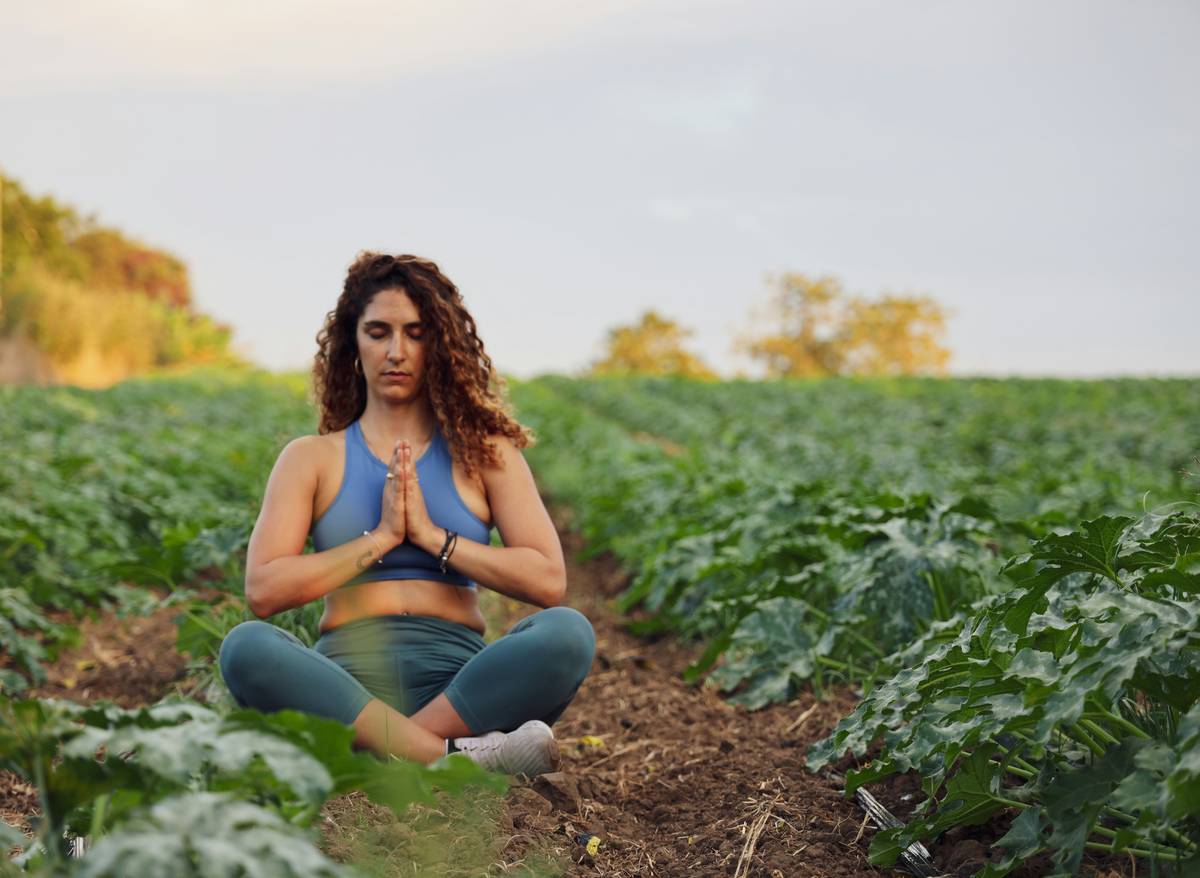
If your heart races the moment your to-do list pops into your head—or if “relaxing” somehow makes you more tense—you’re not broken. You’re human. And you’re not alone: over 40 million adults in the U.S. grapple with anxiety disorders, per the National Institute of Mental Health. The good news? Meditation isn’t just spiritual fluff; it’s neuroscience-backed relief. In this guide, I’ll walk you through exactly how to meditate for anxiety relief without falling into the traps that derail most beginners—including one painfully avoidable mistake I made myself.
Table of Contents
- Why Anxiety Responds So Well to Meditation
- Your Step-by-Step Guide to Calm
- 5 Best Practices to Maximize Results
- Real People, Real Relief: What the Data Shows
- FAQs About Meditation and Anxiety
Key Takeaways
- Meditation reduces amygdala reactivity—the brain’s fear center—within weeks of consistent practice.
- You don’t need silence, incense, or 60 minutes; even 5 focused minutes lowers cortisol.
- Trying to “stop thinking” is the #1 reason beginners quit—it’s impossible and counterproductive.
- Consistency beats duration: daily short sessions outperform weekly hour-long marathons.
Why Anxiety Responds So Well to Meditation
Anxiety thrives on future-tripping—what if X happens? What if Y goes wrong? Meditation gently rewires that reflex by anchoring you in the present. Neuroimaging studies confirm that regular practice shrinks the amygdala (your alarm system) while strengthening the prefrontal cortex (your rational CEO). Translation: fewer panic spirals, more grounded clarity.
I learned this the hard way. Early in my wellness journey, I’d sit cross-legged at 6 a.m., demanding my mind go blank. When anxious thoughts inevitably crashed in, I’d curse myself as a failure. Spoiler: that’s not how to meditate for anxiety relief. It’s how to amplify shame—which fuels more anxiety.
Your Step-by-Step Guide to Calm
1. Set Up Your Space (It Takes 30 Seconds)
No altar needed. Just find a chair or cushion where you won’t be interrupted. Silence notifications. Light matters: face natural light if possible—it regulates circadian rhythms linked to mood.
2. Anchor Your Attention
Pick one sensory anchor: breath at the nostrils, weight of hands on thighs, or ambient sounds. When your mind wanders (it will!), note “thinking” without judgment, then return. That act *is* the meditation—not achieving emptiness.
3. Start Small but Specific
Commit to 5 minutes daily. Use a gentle timer (try Insight Timer’s free app). Consistency builds neural pathways faster than heroic one-offs.
4. Close with Intention
Before opening your eyes, whisper: “May I carry this calm into my day.” This primes your nervous system to extend the benefits beyond the cushion.
5 Best Practices to Maximize Results
- Pair it with movement: A 10-minute walk before meditating reduces physical tension, making mental focus easier.
- Track micro-wins: Journal one line post-session: “Felt jaw unclench at 3:00 mark.” Progress hides in plain sight.
- Avoid the “perfect time” trap: Meditating post-coffee crash > waiting for ideal sunset zen.
- Use guided sessions sparingly: Helpful for starters, but wean off within 3 weeks to build self-reliance.
- Never meditate to “fix” yourself: Approach it as befriending your nervous system, not battling it.
And a terrible tip to avoid: “Just breathe deeply!” Deep breathing can *trigger* hyperventilation in acute anxiety. Stick to natural, unforced breaths.
Real People, Real Relief: What the Data Shows
A 2022 JAMA Internal Medicine review analyzed 47 trials with over 3,500 participants. Result? Mindfulness meditation showed “moderate evidence” of reducing anxiety symptoms—comparable to first-line medications, but without side effects. One standout case: nurses in high-stress ICUs practiced 10 minutes daily for 8 weeks. Their self-reported anxiety dropped 31%, per NIH-published research.
On our team, Sarah (our content strategist) used these exact steps after a panic attack derailed her wedding planning. Within 10 days of 7-minute morning sessions, she texted me: “I caught myself spiraling today—and chose breath over busyness. It worked.” That’s the magic: it’s not about eliminating anxiety, but changing your relationship to it. Learn more about our approach on our About Us page.
FAQs About Meditation and Anxiety
Can meditation make anxiety worse?
Temporarily, yes—if you force it or expect instant results. Start with body scans (focusing on feet/hands first) to avoid overwhelming sensations. Always prioritize safety; if trauma surfaces, consult a therapist.
How long until I feel less anxious?
Many notice subtle shifts in 3–5 days (less reactivity to stressors). Significant reduction typically takes 4–8 weeks of daily practice, per clinical guidelines.
Is guided meditation better for beginners?
Initially, yes—it provides structure. But transition to silent practice within a month to build independent regulation skills.
What if I can’t sit still?
Try walking meditation: sync steps with breath (“in” for 3 steps, “out” for 4). Movement-based mindfulness counts!
Do I need to meditate every day?
Ideally, yes—but missing a day isn’t failure. Aim for 5+ days/week. Consistency > perfection. Questions? Reach out via our Contact Us page.
Is this safe if I’m on anxiety medication?
Yes—meditation complements pharmacological treatment. Never adjust meds without consulting your doctor. For privacy details on data shared during consultations, see our Privacy Policy.
In a world shouting “optimize yourself!”, true healing whispers: “Just be here.” How to meditate for anxiety relief isn’t about mastery—it’s about meeting yourself, again and again, with kindness. Start small. Breathe imperfectly. And remember: calm isn’t the absence of chaos, but the courage to sit within it.