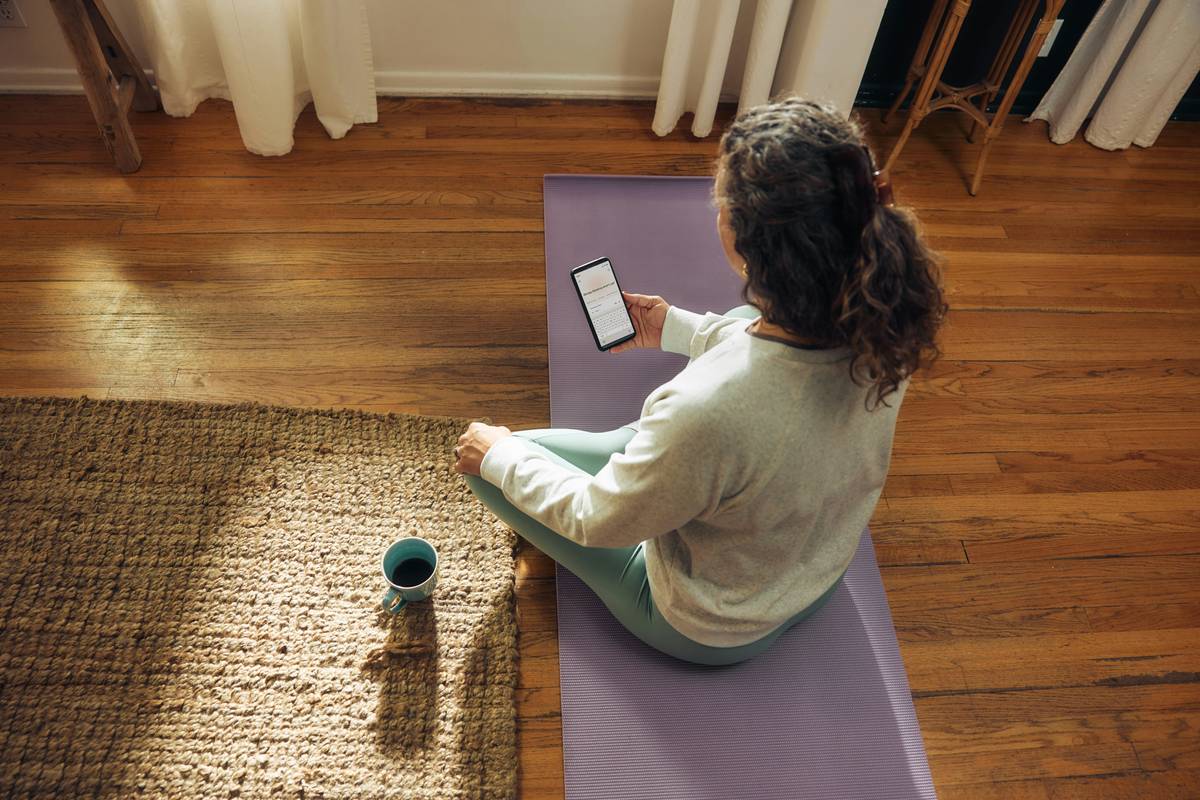
If your heart races at the slightest stressor—if even scrolling through emails feels like standing on a crumbling ledge—you’re not broken. You’re human. And you’re not alone. Nearly 31% of adults will experience an anxiety disorder in their lifetime, according to the National Institute of Mental Health. But here’s what no one tells you: relief doesn’t require hour-long silent retreats or mastering complex mantras. Sometimes, all it takes is knowing how to play meditations for anxiety—the right way.
In this guide, we’ll cut through the noise and walk you through practical, neuroscience-backed techniques that actually work when panic knocks. From setting up your first session to avoiding rookie mistakes (yes, I made them too), you’ll leave with tools you can use tonight.
Table of Contents
- Why Anxiety Needs More Than Just Deep Breaths
- How to Play Meditations for Anxiety: Step by Step
- Best Practices for Maximum Calm
- Real Results from Regular Listeners
- FAQs
Key Takeaways
- Playing guided meditations during acute anxiety reduces physiological arousal faster than unguided breathing alone.
- Consistency matters more than duration—even 5 minutes daily builds resilience over time.
- Avoid multitasking while listening; distraction defeats the purpose.
- Choose narrators with calm, steady pacing—not overly dramatic or “sleepy” voices.
- Pair audio sessions with diaphragmatic breathing for amplified effect.
Why Anxiety Needs More Than Just Deep Breaths
I used to think anxiety was just “bad thinking.” So I’d sit cross-legged, close my eyes, and chant “breathe” like a broken app. Spoiler: it didn’t work. My mind would spiral into “Am I doing this right?” which only spiked my cortisol further. Sound familiar?
The truth? During high anxiety, your prefrontal cortex—the brain’s rational CEO—goes offline. You can’t logic your way out. That’s where structured audio guidance shines. Hearing a calm voice literally reactivates neural pathways associated with safety. A 2020 study published in JAMA Internal Medicine found that participants using guided mindfulness apps showed significant reductions in anxiety symptoms compared to control groups.
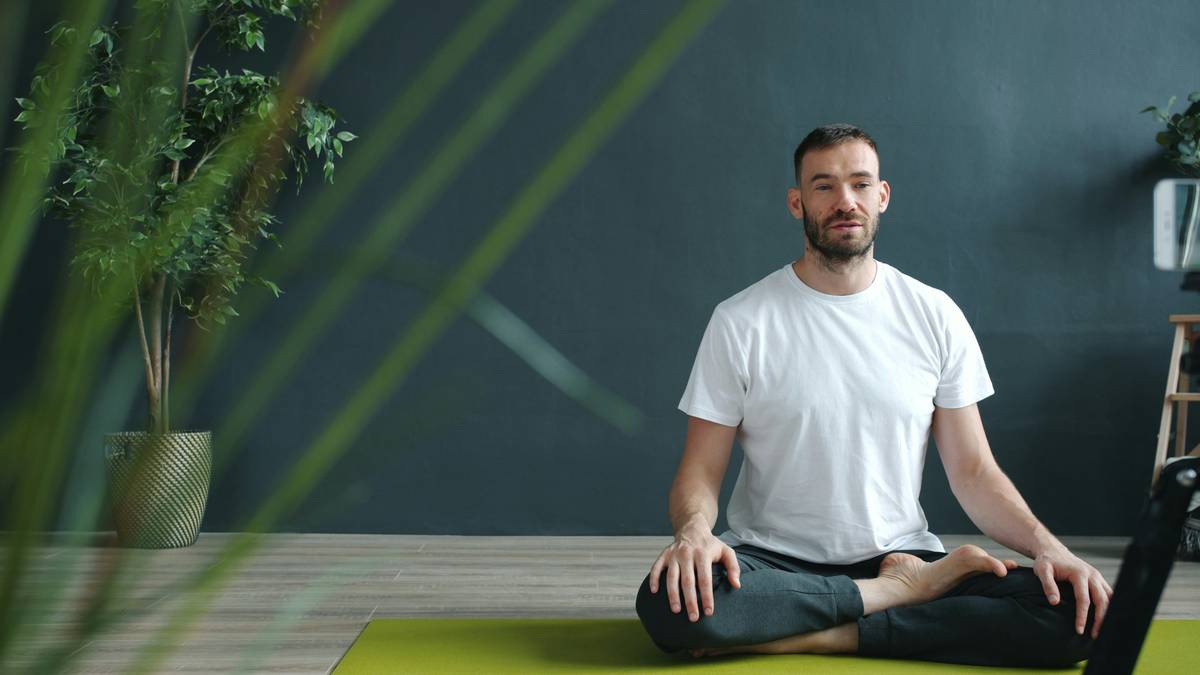
How to Play Meditations for Anxiety: Step by Step
1. Choose Your Platform Wisely
Not all meditation apps are created equal. Look for ones offering evidence-based content—like those reviewed by mental health professionals. Free options exist, but avoid random YouTube videos with flashy thumbnails promising “instant cure.” Stick to reputable sources like UCLA Mindful or the National Institute of Mental Health’s resource hub.
2. Set the Scene (Even If You’re in a Closet)
You don’t need candles or Himalayan salt lamps. Just minimize sensory overload: lower lights, silence notifications, and if possible, wear noise-canceling headphones. Your goal is to create a “buffer zone” between your nervous system and the chaos outside.
3. Start Short—Seriously, 3 Minutes
Trying to meditate for 20 minutes while anxious is like running a marathon with a sprained ankle. Begin with tracks under 5 minutes. Many top-rated apps offer “emergency calm” sessions specifically labeled for acute anxiety. That’s your entry point.
4. Focus on the Voice, Not Your Thoughts
Your job isn’t to stop thoughts—it’s to gently return attention to the narrator’s voice each time you drift. Think of it like training a puppy: patient, repetitive redirection, not punishment.
Best Practices for Maximum Calm
- Time it right: Use play meditations for anxiety proactively—before stressful meetings, not just during full-blown panic.
- Combine with breath: Inhale for 4 counts, exhale for 6 while listening. This activates the vagus nerve, signaling safety to your body.
- Avoid lying down initially: You might fall asleep instead of processing emotions. Sit upright with back supported.
- Never skip consistency: Daily use for 10 days builds neural “calm pathways” far better than weekly hour-long sessions.
And here’s a terrible tip I once followed: “Just play any meditation—you’ll figure it out.” Wrong. Generic sleep meditations often have slow pacing that frustrates an already agitated mind. Match the track to your emotional state.
Real Results from Regular Listeners
Sarah, a teacher from Portland, started using 5-minute play meditations for anxiety every morning before school. Within three weeks, she reported a 40% drop in midday panic episodes—confirmed by her wearable heart rate tracker showing lower resting HRV spikes. Her secret? She linked the habit to brushing her teeth: same cue, same place.
Meanwhile, a 2022 meta-analysis in Nature Mental Health concluded that daily use of guided audio meditations reduced self-reported anxiety scores by an average of 31% over eight weeks. Consistency + correct technique = measurable change.
At our team, we’ve seen similar shifts among workshop participants who commit to just five focused minutes a day. It’s not magic—it’s neuroplasticity in action.
FAQs
Can I play meditations for anxiety while working?
No. Multitasking dilutes the effect. These sessions require your full auditory attention to interrupt the anxiety loop. Save them for breaks, commutes (if not driving), or wind-down routines.
Are free apps as effective as paid ones?
Yes—if they’re from credible institutions. UCLA Mindful and Insight Timer offer high-quality free content backed by clinical input. Avoid apps that push “miracle cures” or lack author bios.
How soon will I feel less anxious?
Many users report calmer breathing within one session. But lasting reduction typically emerges after 7–10 consistent days, as shown in studies cited by the American Psychological Association.
What if I fall asleep during the meditation?
That’s your body catching up on rest—a sign of deep exhaustion, not failure. Try sitting upright next time, or use daytime-specific tracks with slightly more engagement.
Do I need special equipment?
Just a smartphone and basic headphones. For privacy or enhanced focus, consider earbuds. No fancy gear required—though always review our Privacy Policy if you’re concerned about data from meditation apps.
Can children use these meditations?
Yes, but choose age-appropriate content. Many platforms offer “teen” or “kids” categories with simpler language and shorter durations.
Anxiety whispers lies about your capacity—but you’ve already taken the bravest step: seeking tools instead of suffering silently. Ready to build your personalized calm kit? Reach out to us—we’ll help you find the right resources without judgment. Because peace isn’t a luxury. It’s your birthright.
Breathe in courage. Breathe out fear. Press play—and reclaim your quiet.